
The Growing Role of Technology in Physical Therapy
Emerging Trends & Innovations in Physical Therapy Technology

Similar to numerous medical fields, physical therapy (PT) is continually progressing—and at a rapid pace. This evolution can be attributed to advancements in medical science, innovative technologies, and enhanced knowledge of human physiology and rehabilitation requirements.
Modern technology enables remarkable recoveries from conditions that might have previously caused permanent disabilities. Furthermore, for patients with chronic conditions, advanced techniques employed in physical therapy clinics can significantly improve their overall quality of life.
According to market research reports, growth is imminent, and the global Physical Therapy Market is projected to grow to $58.5 billion by 2034. Technology is a major driver, thanks to innovations such as telehealth, virtual reality (VR), robotics, and artificial intelligence (AI).
Moreover, the Bureau of Labor Statistics (BLS) reports a growing demand for therapists, citing an estimated 13,200 annual openings until 2034.
These emerging trends are contributing to more accessible and effective PT care for patients globally.
What Is Physical Therapy?
Physical therapy is a field of healthcare focused on restoring physical function, mobility, and motor skills in individuals with various medical conditions. Whether patients are recovering from a sports injury, a stroke, or major surgery, PT is essential for managing pain, rebuilding independence, and maximizing overall quality of life.
Ultimately, the goal of physical therapy is to make daily tasks and activities easier—such as walking, going up stairs, or getting in and out of bed.
Because physical therapy focuses primarily on movement, it’s considered a hands-on form of healthcare. The use of technology in physical therapy is becoming more prevalent because it enables PT providers to deliver more precise and effective treatments to more people.
Let’s explore some of the key benefits that technology offers in physical therapy, while also examining several of the most exciting advancements currently happening in the field.
The Benefits of Technology in Physical Therapy
Patients, healthcare providers, and medical facilities all benefit from improvements in physical therapy technology. In fact, the use of digital health technologies, such as health care apps, virtual reality, robotics, and wearable sensors, has significantly increased efficiency in PT clinics—enabling them to treat more patients while still providing high-quality care.
Technological advancements in physical therapy yield better outcomes for patients, as PTs are more easily able to collect objective data about each patient’s progress and adjust treatment plans accordingly. This approach keeps patients more engaged during their treatments, especially when using immersive tools like virtual reality and augmented reality (AR).
These ongoing improvements in adaptive equipment have also empowered many people with disabilities to regain a level of independence that was previously deemed unattainable.
Technology Used in Physical Therapy
Telehealth and Remote Monitoring
As global connectivity increases, it’s becoming more common for patients to receive physical therapy via telehealth, from the comfort and privacy of their own homes. This is especially beneficial for patients living in rural, remote, or otherwise underserved areas where access to care may be limited. Video appointments and the exchange of secure emails or text messages are ways in which health issues are being addressed remotely—encouraging patient participation while eliminating unnecessary travel.
Remote patient monitoring (RPM), a subset of telehealth, is also gaining popularity in the PT world. Once physical therapists create treatment plans, patients can utilize wearable devices to track their progress and monitor for correct form during exercises. Additionally, these tools can collect information on a patient’s range of motion, pain levels, and other essential data needed, so that PTs can tailor treatments to each individual.

Virtual Reality and Augmented Reality
Traditional physical therapy exercises, while effective, can be mentally draining because they require a lot of repetition. But in an immersive virtual world, patients can stay motivated and focused—and sometimes even be distracted from chronic pain that’s interfering with their progress.
Both virtual reality and augmented reality are becoming increasingly common in rehabilitation programs because of their versatility and effectiveness in engaging patients is fully immersive and replaces the “real world” with a simulated digital environment, while AR enhances your current surroundings with computer-generated elements.
VR physical therapy serves a variety of patients and can be used for:
- Restoring strength and improving range of motion
- Gait and balance training
- Honing fine motor skills
- Neurological rehabilitation for individuals who’ve suffered from a stroke, traumatic brain injury, or other similar conditions
Wearable Devices and Sensor Technology
Wearable devices and sensors help physical therapists diagnose and monitor their patients—ensuring safety and facilitating the development of suitable treatment plans.
These devices can be utilized to track the vital signs of at-risk patients in hospital environments or serve as support for patients to maintain their rehabilitation efforts. They can also help PTs diagnose balance issues or biomechanical problems—and gather information about a patient’s range of motion and movement patterns.
For many patients, these technologies are useful in training gait and posture, as “smart” devices can provide alerts when the wearer needs a reminder to focus on healthy movements. These devices also provide helpful biofeedback for patients working to strengthen their brain-to-body connection. Combined with other rehabilitation tools like VR, they can help patients improve mobility and coordination while building overall body awareness.
Robotics and Assistive Devices
While physical therapy will always require a degree of human touch, robotic assistive devices are enhancing the efficiency of clinics and fostering greater independence among patients.
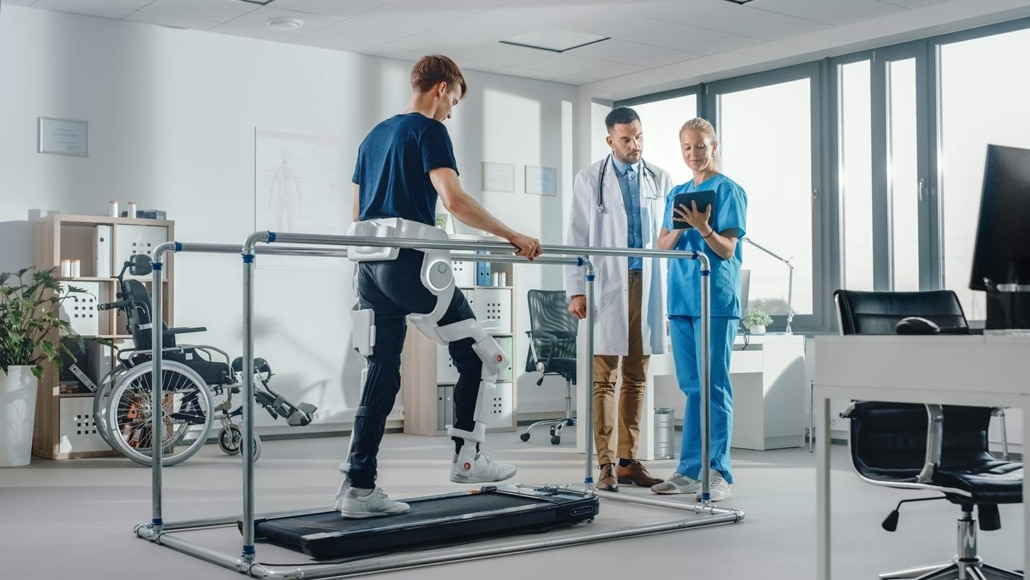
In some clinics, robots assist patients with dynamic strength and mobility exercises. In others, robotic exoskeletons help patients relearn how to walk or practice their balance in unpredictable environments—minimizing the risk of falls.
Robotic assistive devices have significantly improved the quality of life for individuals with long-term disabilities. Robot-assisted prosthetics assist those with limited strength or motor skills in carrying out various daily tasks and activities. In some patients who have lost limbs or extremities, robotic devices can even aid in the restoration of sensory feedback.
Gamification and Digital Rehabilitation
For centuries, humans have found ways to turn mundane tasks into enjoyable games. This phenomenon, known as gamification, is also relevant to patients undergoing physical therapy. In rehabilitation settings, gamification is used to increase participation, motivation, and compliance.
Digital rehabilitation tools, such as apps and virtual reality, are often used to deliver and support therapeutic exercise—to help make the recovery process more interactive and engaging. An example might be a VR platform where patients use targeted movements to simulate petting animals or planting a garden, or a motion-controlled video game that encourages a broad range of activities and exercises.
Data Analytics and Evidence-Based Practice
In science and healthcare, there’s no substitute for objective data. Technology in physical therapy aids in gathering information that’s beneficial in various aspects:
- Physical therapists use biofeedback data to refine each patient’s treatment plan—facilitating their recovery as quickly as possible.
- Health researchers aggregate individual patient data to identify trends and determine the efficacy of specific treatments.
- Large-scale health data is essential in various applications, from crafting public policy to developing new healthcare technologies.
Many physical therapy clinics also utilize data analytics to determine optimal patient volumes, forecast supply and resource usage, and make informed decisions about staffing and practice management.

Patient Education and Home Exercise Programs
For many patients, the clinical environment is overwhelming and uncomfortable. Customized patient education and home exercise programs (HEPs) can help minimize the stress and anxiety associated with clinical visits—while improving patient outcomes.
As any physical therapist would affirm, the determining factor in most patients’ recoveries is undoubtedly their adherence to the rehabilitation exercises prescribed for them to perform at home. Many individuals only visit their physical therapist a few times a month; thus, their progress is largely contingent upon their ability to maintain their treatment regimen independently.
Additionally, the rise of mobile applications and multimedia platforms for physical therapy has made it much easier for patients to stick with their rehabilitation programs from home:
- Physical therapists can load treatment routines straight into a patient’s app, so their home instructions remain current.
- Patients can effortlessly monitor their progress, view a brief instructional video on executing their exercises, or receive immediate feedback on their movements—fostering a sense of accountability and consistency.
The Future of Technology in Physical Therapy
Technological advancements are rapidly transforming the field of physical therapy. In the foreseeable future, several key innovations are expected to become more commonly employed.
Motion Sensors
While already in use, wearable motion sensor devices will become more accurate and efficient—providing clinicians and patients with real-time data on movement patterns, biomechanics, and rehabilitation progress.
Robotics
The use of robotics will be more commonplace in PT settings, assisting with repetitive tasks and motions. Robots aim to transform physical therapy by providing more precise and personalized rehabilitation through exoskeletons, robotic gloves, and gait-training systems.
Virtual Reality Platforms
VR platforms will become more immersive, providing environments that will help with balance training, pain management, and cognitive tasks—making recovery more interactive and engaging for patients.
Enhanced Data Analytics
Advanced AI-driven data insights will enable physical therapists to create individualized treatment plans—allowing them to more accurately track progress and modify techniques to suit each patient’s recovery path.
3D Printing
3D printing will enable the rapid development of affordable and personalized orthotics, prosthetics, and assistive devices. This technology aims to improve patient outcomes while maintaining comfort and efficiency.
AI-Powered Automation
AI-driven automation is set to revolutionize physical therapy by offering customized treatment plans, streamlining administrative duties, and improving remote care. Artificial intelligence will also facilitate more accurate diagnoses, provide real-time feedback during exercises via sensors and VR, and utilize predictive analytics to prevent potential injuries.
Ethical Considerations
As physical therapy technologies continue to evolve, there are some important ethical and social considerations that shouldn’t be overlooked.
As digitized health data becomes increasingly robust, healthcare providers and organizations must take appropriate measures to ensure patient privacy and prevent their confidential data from being distributed inappropriately. Furthermore, as tools like AI become more prevalent, physical therapists must find ways to preserve the human element in their practice.
Although technology will persist in enhancing the efficiency of physical therapy clinics, nothing can substitute the compassion and communication that patients experience from a seasoned provider.
Train for the Future of Physical Therapy at Provo College
The integration of technology in physical therapy has the potential to revolutionize patient care. While it’s impossible to predict what the future holds, it’s inspiring to consider the possibilities for groundbreaking new treatments—especially for individuals suffering from chronic conditions or long-term disabilities.
If you’re considering a career as a physical therapist assistant, it’s wise to select a school that’s current with the latest technological advancements. In the Physical Therapist Assistant Program at Provo College, you’ll learn from experienced instructors and build a solid foundation that will prepare you for future technological breakthroughs.
As the industry evolves, physical therapy providers who stay up to date on the latest developments in their field will be well-positioned to have a long, successful career assisting their patients in attaining active, independent, and fulfilling lives.
Ready to learn more about what it’s like to be a PTA? Check out our in-depth guide on how to become a physical therapist assistant, and read up on an average day in the life of a physical therapist assistant.

